In today’s rapidly changing industrial environment, automation systems must be flexible, scalable and capable of performing increasingly complex operations. Mid- to high-end machines, such as those used in the automotive, packaging, process industries and complex material handling applications, require more than just basic monitoring. You need a powerful and adaptable control system that can evolve with your operational needs. This is where modular programmable logic controllers (PLCs) shine. Modular controllers, including the Siemens SIMATIC family, are designed for high performance, advanced communication capabilities, and seamless scalability. These features make it an ideal choice for industries that require accuracy, reliability, and long-term flexibility in their automation systems.
What are modular controllers?
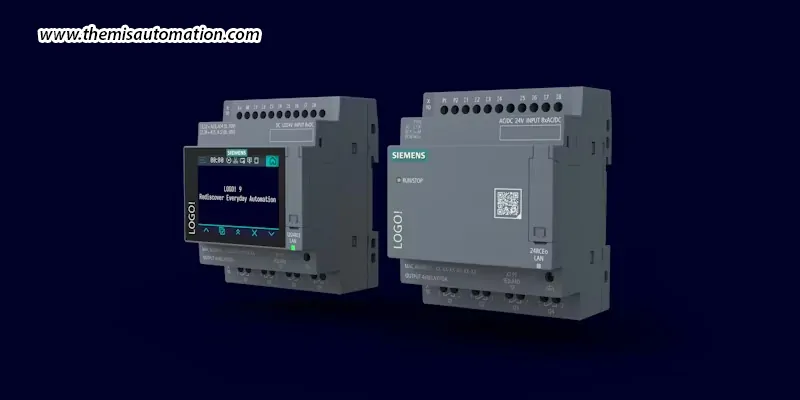
Modular controllers are PLC systems built with a flexible architecture that allows users to add or remove components such as processors, input/output (I/O) modules, communication modules, and technology modules based on the requirements of a specific application. Unlike compact controllers, which have a fixed configuration, modular controllers allow engineers to customize the system based on the complexity of the machine. This adaptability is particularly useful for mid- and high-end machines where control requirements can vary widely. The modular design also simplifies upgrades and maintenance, ensuring automation systems remain relevant as technology and operational requirements evolve.
Why complex machines need modular controllers
Mid-end and high-end machines often include multiple processes, precision control requirements, and integration with various subsystems. Modular controllers provide the flexibility and power to effectively manage these complexities. They support advanced control strategies, high-speed processing, and real-time data processing that are critical to maintaining the efficiency and consistency of industrial operations. Additionally, the ability to seamlessly integrate with other automation components ensures a consistent and streamlined system.
Key benefits of modular controllers
- Scalability for growing operations
One of the most important benefits of modular controllers is their scalability. As production demands increase or processes become more complex, additional modules can be integrated without replacing the entire system. This flexibility allows businesses to start with a basic configuration and expand over time, making modular PLCs a future-proof investment. For example, you can add I/O modules to accommodate new sensors and actuators, or integrate communication modules to support expanded network requirements. Scalability is especially important in industries where production lines are frequently upgraded or changed to meet changing market needs.
- High performance and computing power
Intermediate and high-end machines require precise control and rapid processing. Modular controllers are equipped with powerful processors that can handle complex logic, fast operations, and large amounts of data. This allows tasks such as motion control, synchronization, and real-time monitoring to be performed accurately. High processing power also reduces response times, reduces delays, and improves overall system efficiency. In applications such as high-speed robotics and packaging where time is critical, the performance of modular controllers plays a critical role in maintaining product quality and operational stability.
- Advanced communication features
Modern industrial systems rely heavily on communication between devices. Modular controllers support a wide range of communication protocols and enable seamless integration with other components such as HMI, actuators, sensors, and higher-level systems. Protocols such as PROFINET and PROFIBUS enable reliable and fast data exchange and ensure smooth coordination of the entire automation system. This connectivity is essential to enable real-time control and monitoring. Advanced communications capabilities also support integration with industrial networks and digital systems, enabling data-driven decision-making and increased operational visibility.
- Flexibility in system design
Modular architecture allows engineers to design control systems tailored to specific applications. Different combinations of processors, I/O modules and communication interfaces can be selected depending on the complexity and requirements of the machine. This flexibility ensures that the system is not overly complex or underpowered, optimizing both performance and cost. It also facilitates configuration of specialized applications such as process control and multi-axis motion systems.
- Improving diagnostics and services
Modular controllers offer advanced diagnostic capabilities to help quickly identify and resolve problems. Built-in diagnostic tools provide detailed information about system performance, faults, and communication status. This reduces troubleshooting time and minimizes downtime. This is essential in high-value production environments. Maintenance teams can quickly identify issues and take corrective action to ensure continued operations. Additionally, the modular design makes maintenance even easier, as individual components can be easily replaced without affecting the entire system.
- Seamless integration with automation ecosystem
Modular controllers are designed to work seamlessly with other automation components to create a single system. Integration with HMI panels provides intuitive visualization and control, and I/O systems improve connectivity to field devices. Drives such as SINAMICS provide precise motor control and integration with engineering platforms ensures uniform configuration and programming throughout the system. This level of integration simplifies system design, reduces engineering effort, and increases overall productivity.
Applications of modular controllers
Modular controllers are widely used in industries that require high levels of automation and precision. Some common applications include:
- Automotive manufacturing: Manage assembly lines, robotic systems, and quality control processes.
- Packaging industry: Control high-speed packaging machines and ensure synchronization between multiple components.
- Process industries: Monitoring and controlling processes in chemical, pharmaceutical, and food industries.
- Material handling systems: Coordinating conveyors, sorting systems, and automated storage solutions. Machine tools: Precisely control machining operations and multi-axis movements.
In each of these applications, the scalability, performance, and communication capabilities of modular controllers play a critical role in ensuring efficient and reliable operation.
Factors to consider when choosing a modular controller
When choosing a modular controller for mid- to high-end machines, you should consider several factors.
- Application requirements: It is essential to understand the complexity of the machine and the level of control required. This will help you choose the right processor and module.
- Future developments: Be sure to consider the possibility of future upgrades and ensure that the controller you choose supports additional modules and features.
- Communication requirements: Assess communication requirements and ensure compatibility with existing systems and networks.
- Performance expectations: Choose a controller that meets your application’s processing and speed requirements.
- Integration options: Ensures seamless integration with other automation components such as HMI, drives, and I/O systems.
For businesses and system integrators in India, sourcing genuine modular PLCs from a reliable distributor is essential to ensure quality and support. Partnering with a trusted Siemens distributor in Ahmedabad ensures access to a complete range of modular controllers and automation components, along with the expertise required for seamless system integration.
Modular controllers provide powerful and flexible solutions for mid-end and high-end machines to address the complexity, scalability, and performance challenges of modern industrial automation. Its ability to adapt to changing requirements, integrate with a variety of systems, and provide high speed processing makes it an essential part of advanced automation solutions. By carefully assessing application needs and selecting the right modular PLC, businesses can build efficient, reliable, and future-proof automation systems that support long-term growth and operational excellence.